

Heritage Planning Services for Historic Buildings and Development Sites
Purchasing, managing or developing a listed building, historic property, or site within the setting of a heritage asset can often appear complex and intimidating. Both experienced developers and first-time owners frequently have legitimate concerns about navigating an increasingly detailed planning system.
Even where a building is not formally listed, it may lie within the curtilage of a designated heritage asset, be recognised as a non-designated heritage asset, or be located within a Conservation Area. In these circumstances, proposals can be subject to a similar level of scrutiny from Planning Departments and Conservation Officers. This is where the guidance of an experienced Heritage Consultant can be invaluable.
I provide specialist heritage planning advice to homeowners, developers, architects, professional teams and charitable organisations responsible for historic buildings and heritage assets. My experience spans small-scale residential projects, commercial developments, large-scale development schemes and Expert Witness work at Public Inquiries, supported by collaboration with leading professionals across the heritage sector.
I specialise in planning applications, Listed Building Consent applications and Heritage Statements, producing thoroughly researched, robust and policy-compliant reports. These documents help Planning and Conservation Officers understand the nature of proposed changes, the justification behind them and their impact upon the significance of heritage assets.
Every project is approached individually, drawing upon guidance from the National Planning Policy Framework (NPPF), Historic England and relevant local planning policies. Whether the proposal relates to a private dwelling, commercial premises or a major development site, I tailor my advice to maximise the likelihood of a successful planning outcome while respecting the historic environment.
Engage a Heritage Consultant at an Early Stage
Heritage Planning Advice
One of the most effective ways to save time, money and unnecessary complications is to engage a Heritage Consultant at the earliest stage of a project.
Early heritage input helps identify opportunities and constraints before significant investment is made in design work or planning submissions. Understanding these issues from the outset allows informed decisions to be made and helps avoid proposals that may be unacceptable to the Local Planning Authority.
I provide honest and practical advice regarding the suitability of proposals and assist clients in overcoming potential obstacles before they become significant planning issues.
Good design is fundamental to achieving a successful outcome. I regularly work alongside experienced architects, surveyors and specialist consultants to ensure development proposals are both commercially viable and sensitive to the significance of heritage assets.
Development should not cause unnecessary harm to the significance or setting of a heritage asset. Where change does result in some degree of impact, that impact must be properly assessed, justified and balanced against public and private benefits. Through careful planning and informed design, historic buildings can continue to evolve and remain relevant within the modern world.
A Structured and Proportionate Approach
Planning Applications and Listed Building Consent
The planning application process need not be complicated when the correct strategy is adopted from the outset.
Planning legislation and heritage policy are not intended to prevent change. Their purpose is to provide a structured framework that ensures development is sensitive, proportionate and appropriate within the historic environment.
Whether your project involves:
* Listed Building Consent
* Residential extensions and alterations
* Commercial redevelopment
* Conservation Area proposals
* Adaptive reuse of historic buildings
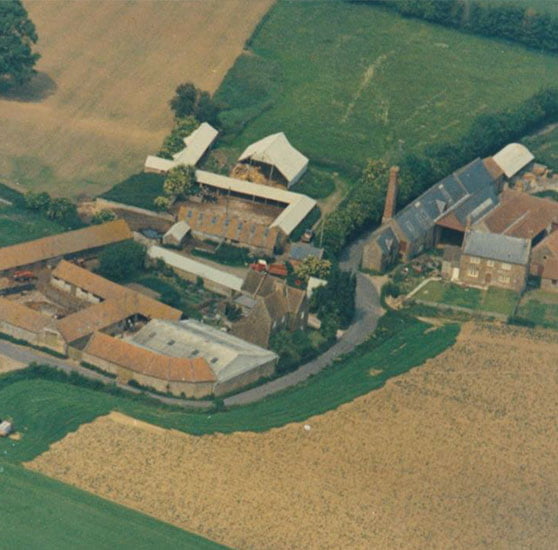
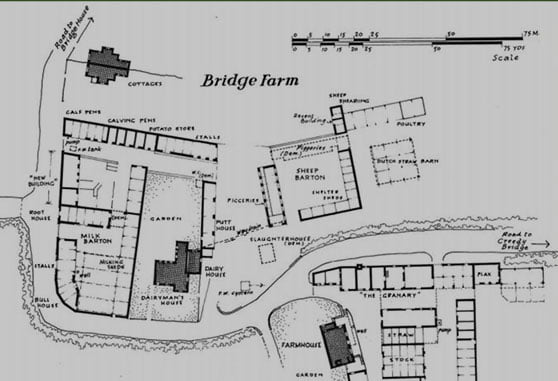
* Farm building conversions
* Development within the setting of heritage assets
* New-build development affecting historic settlements
I can provide clear guidance throughout the process.
By preparing robust Heritage Statements, Heritage Impact Statements and supporting planning documentation, I help ensure proposals are properly understood by Planning Officers and Conservation Officers, improving the likelihood of a positive outcome.

Historic buildings often require a careful balance between conservation and modern requirements.
Heritage Planning for Historic Buildings
Owners frequently wish to improve energy efficiency, alter layouts, introduce modern facilities or bring underused buildings back into productive use. These objectives can often be achieved successfully when supported by appropriate heritage planning advice and a clear understanding of significance.
By identifying opportunities early and addressing potential concerns before submission, heritage planning becomes a positive process that supports both conservation and sustainable development.
Why Work With The Heritage Consultancy?
* Independent Heritage Consultant with specialist expertise.
* Extensive experience in planning applications and Listed Building Consent.
* Heritage Statements and Heritage Impact Statements tailored to individual projects.
* Practical, commercially aware advice.
* Experience working with homeowners, developers, architects and professional teams.
* Clear communication throughout the planning process.
* Support from project conception through to planning determination.
Related Heritage Services
If your project requires a detailed assessment of significance, I also provide Heritage Assessments and Heritage Statements. If you are purchasing a historic property, a Listed Building Survey can help identify opportunities, constraints and potential planning considerations before acquisition.
For an informal, no-obligation discussion about your project, please get in touch.