

Understanding the Significance of
Historic Buildings and Heritage Assets
The historic buildings of Britain demonstrate a vast and diverse past, from redundant Victorian farmsteads scattered across the countryside to grand Medieval cathedrals that dominate city skylines. Differing vernacular architectural styles, construction materials and construction techniques all tell the story of past societies, industrial advancement and changing ways of life.
Every historic building, monument and landscape possesses its own significance. This significance may derive from historic, architectural, illustrative, cultural and evidential values. Many buildings are designated heritage assets, with Grade I representing the highest designation, followed by Grade II* and Grade II.
Before any development, alteration or change begins, it is vital to identify and assess the significance of a building and its setting. This understanding forms the basis of a robust Heritage Assessment and Heritage Statement, enabling proposals to be properly considered and justified.
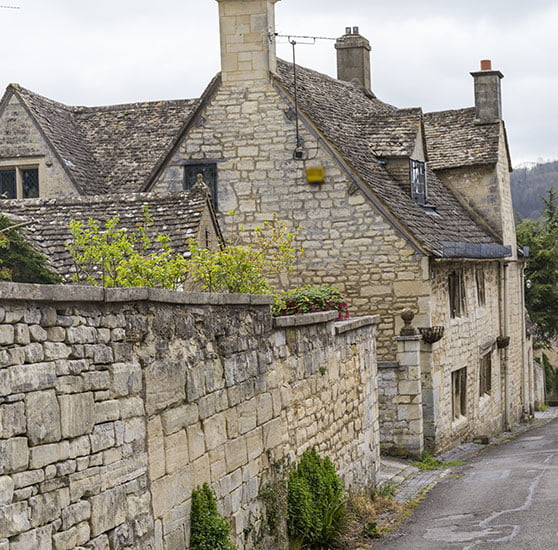
Assessing Significance and Understanding Historic Development
Heritage Assessments
When undertaking Heritage Assessments, I begin with a site visit to discuss the building with my clients and understand both the property and the aspirations for its future use.
A site visit provides the best opportunity to assess and record evidence of a building’s evolution, including extensions, alterations and additions that reflect changing lifestyles, ownership and architectural fashion. I identify architectural styles, materials and historic features, using the correct terminology to accurately describe the building and its significance.
Understanding the building’s setting is equally important. The relationship between a heritage asset and its surroundings often contributes significantly to its character and historic value. By understanding the wider context, I can assess how and why a building contributes to the historic environment and the surrounding area.
Supporting Planning Applications and Listed Building Consent
Heritage Statements and Heritage Impact Statements
A Heritage Statement provides a clear and evidence-based assessment of significance together with an evaluation of how proposed changes may affect a heritage asset and its setting.
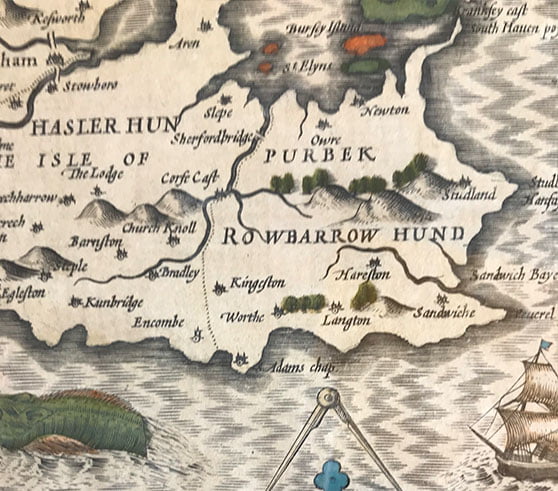
Through detailed site analysis, local archive research, map regression, planning history reviews and guidance from Historic England, I prepare Heritage Statements and Heritage Impact Statements that are proportionate, robust and professionally justified.
These reports support planning applications and Listed Building Consent applications by helping Conservation Officers, Planning Officers and decision-makers understand the rationale behind proposed changes.
A well-prepared Heritage Statement allows the planning authority to make balanced and informed decisions while ensuring the long-term conservation and safeguarding of the heritage asset.
Recording Historic Fabric and Building Evolution
Historic Building Recording and Measurement
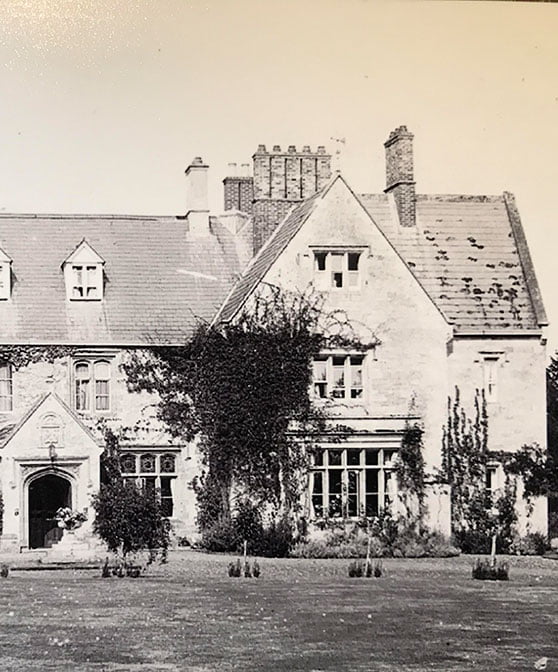
I also provide Historic Building Recording and Measurement Surveys for a variety of planning, conservation and legal purposes. Historic Building Recording may be undertaken:
- To record historic fabric before the repair, alteration or demolition.
- To assess and record the chronological development, plan and structure in order to fully understand the historic evolution of the building, it’s construction, material and style.
- To understand the relationship to the immediate surroundings and other buildings within the curtilage.
- To formulate base drawings before works take place.
- To provide a measured survey for legal purposes, such as deed and lease plans, or unauthorised works.
Historic Building Recording provides an invaluable record of a building’s significance and development, ensuring important information is retained for future generations.
Many eighteenth and nineteenth century farm buildings have become redundant as agricultural practices have evolved.
Heritage Assessments for Historic Farm Buildings
Changes in mechanisation and larger-scale farming have created demand for modern agricultural structures, leaving traditional cow barns, wagon sheds, stables, byres and linhays underused or vacant. Without investment and appropriate new uses, these historic buildings face gradual deterioration and eventual loss.
I advise homeowners, developers and landowners on how historic farm buildings can be sustainably adapted for modern use while respecting their heritage significance.
Through detailed Heritage Assessments and Heritage Impact Statements, I help identify appropriate opportunities for residential, commercial and mixed-use development while guiding clients through the planning process and helping decision-makers understand the benefits of proposed schemes.


As demand for housing and commercial development continues to grow across the UK, local authorities, developers and landowners are increasingly identifying sites suitable for development.
Heritage Assessments for Land Development
Many of these sites lie within or adjacent to historic settlements and may contain Listed Buildings, Non-Designated Heritage Assets, archaeological remains or Conservation Areas.
Each settlement possesses its own distinct character, shaped by local materials, traditional construction methods and historic development patterns. These characteristics must be understood and respected when preparing development proposals.
I provide specialist heritage advice to help developers and landowners understand constraints and opportunities, balancing development objectives with the protection of heritage assets and local character.
By incorporating heritage expertise into the design process from the earliest stages, development proposals are more likely to achieve successful planning outcomes whilst preserving the historic environment for future generations.
Related Heritage Services
If your project requires Listed Building Consent or planning approval, you may also benefit from my specialist heritage planning services. If you are purchasing a historic property, a Listed Building Survey can help identify opportunities, constraints and potential planning considerations before committing to a purchase.