

The historic buildings of Britain demonstrate a vast and diverse past, from the redundant Victorian farmsteads that scatter the countryside, to the grand Medieval cathedrals that dominate city skylines. The differing vernacular architectural styles, construction materials and techniques, all tell a story of the society of the time, industrial and technological advancements and a previous way of life.
Each historic building, monument or landscape possesses individual ‘significance’, of which the following values may contribute; historic, architectural, illustrative, cultural and evidential. Many buildings are designated heritage assets, their status reflecting their importance, with Grade I being the highest designation, followed by Grade II* and Grade II.
Before any development begins, it is vital to assess and identify the individual significance of a building and its setting so that an accurate Heritage Statement can be prepared, firstly to ascertain if the works are appropriate, and secondly, to justify the changes.
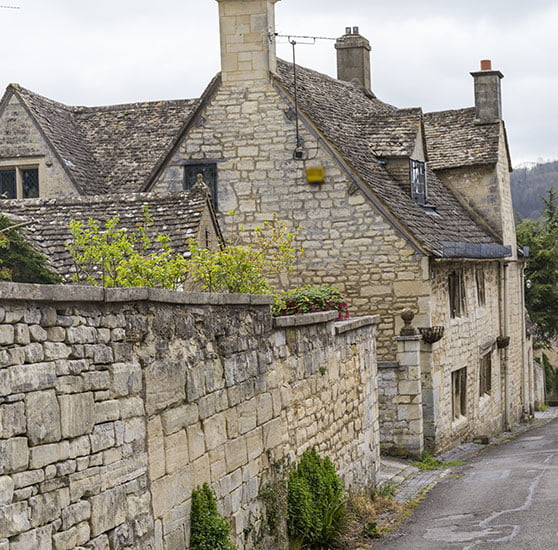
Assess and record clues to the building’s evolution including extensions, alterations and additions
Heritage Assessments
When carrying out Heritage Assessments, I start with a site visit to talk to my clients and find out what they know about the building. A visit in person is the best opportunity to assess and record clues to the building’s evolution such as the identification of later extensions, alterations and additions reflective of advancing living standards. I also identify architectural styles and features, using the correct terminology to accurately describe the building. It is also important to understand the ‘setting’ of the building, and its location; this knowledge gives an understanding of how and why the building contributes to the area.
Local archive research, map regression, planning history and guidance from Historic England
Heritage Statements
A thorough assessment, including local archive research, map regression and relevant planning history, combined with the incorporation of guidance from Historic England, allows me to make a well written, informed and justified Heritage Statement that enables those involved in the development and design process, to make acceptable changes. A clear statement, proportionate to the significance of the building, will help the Planning Department make a balanced decision on the proposed alteration and ultimately, the future safeguarding of the asset.
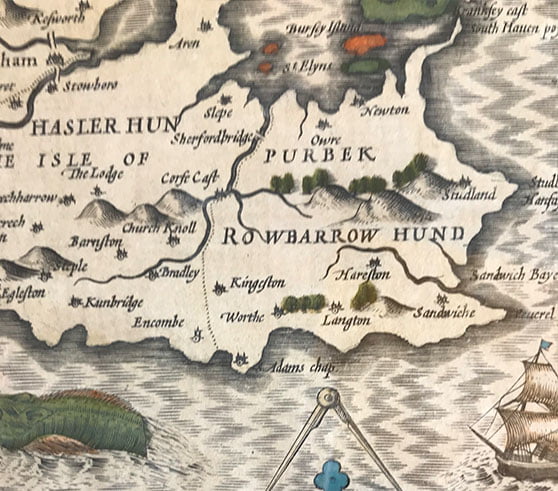
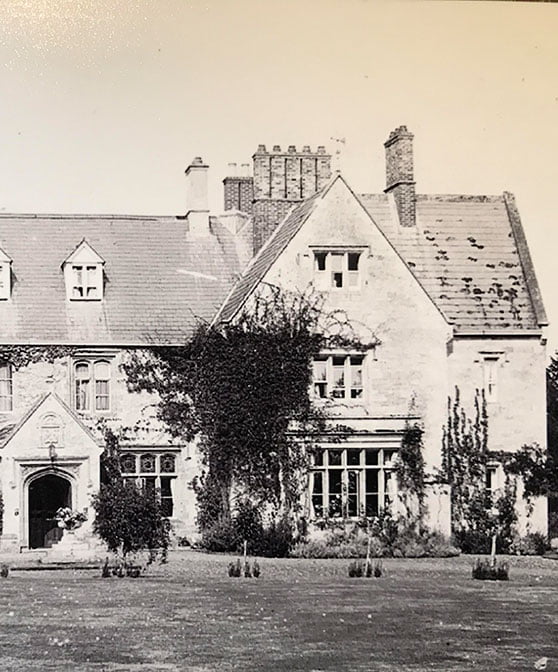
Record historic fabric, chronological development and assess relationship to the immediate surroundings.
Historic Building Recording and Measurement
I also provide Historic Building Recording and Measurement; this is often undertaken for a range of purposes including:
- To record historic fabric before the repair, alteration or demolition.
- To assess and record the chronological development, plan and structure in order to fully understand the historic evolution of the building, it’s construction, material and style.
- To understand the relationship to the immediate surroundings and other buildings within the curtilage.
- To formulate base drawings before works take place.
- To provide a measured survey for legal purposes, such as deed and lease plans, or unauthorised works.
Many C18 and C19 farm buildings have become redundant due to changes in agricultural practices.
Farm Buildings’
Advances in mechanisation and larger-scale farming have created a demand for modern structures, leaving historic cow barns, wagon sheds, stables, byres, and linhays redundant or relegated to ad-hoc storage. Without investment, these buildings are at risk of gradual deterioration and eventual loss.
I advise homeowners, developers, and landowners on how to secure the future of these historic farmyards through sensitive, sustainable adaptation. By carefully assessing the significance of each building and its context, I identify viable new uses, whether they be residential, commercial, or mixed-use, that respect heritage value whilst meeting contemporary needs. Through thorough assessments and Heritage Impact Statements, I guide clients through the planning process, helping Conservation and Planning Officers understand the rationale and benefits of proposed changes. This approach ensures that historic farm buildings are not only preserved as landmarks within the rural landscape but also reintegrated as vital, valued elements of the local community


As pressure grows across the UK to provide new housing, Local Neighbourhood Plans, landowners, and developers are increasingly identifying sites suitable for residential, commercial, or retail development.
Land Development
Many of these sites lie on the edges of historic towns and villages, often containing Listed or Non-Designated Heritage Assets as well as areas of potential archaeological interest. Historic settlements may also include designated Conservation Areas, that are recognised as heritage assets and are therefore subject to careful scrutiny and protection during the planning process.
Each settlement has its own distinct character, shaped by locally sourced materials, such as stone, timber, and reed, with regionally specific construction techniques, resulting in unique vernacular styles. I provide expert guidance on development design and density, carefully balancing local character, key views, housing targets, and, where appropriate, community engagement.
By integrating heritage input into the design brief from the outset, I ensure proposals align with both national and local policy whilst responding sensitively to the landscape and historic context. This strategic approach helps maximise the likelihood of a successful planning outcome, balancing development objectives with the conservation of heritage assets’.